
Signs You Need a New Roof
If you’re a homeowner in Ohio, your roof works hard year-round. From heavy snow and ice in the winter to strong sun, storms, and humidity in the summer, Ohio weather can take a toll on roofing materials. One of the most common questions we hear at Avsten Construction and Roofing is: “How long should my roof last?”
Understanding the longevity of your roof is crucial for planning maintenance and ensuring the safety of your home. In Ohio, the conditions can vary widely from region to region, with urban areas experiencing more pollution and rural regions facing different weather challenges. Therefore, the lifespan of roofs may differ based on their geographical location. It’s also worth noting that certain architectural styles may require specific types of roofing, which can affect durability and maintenance needs.
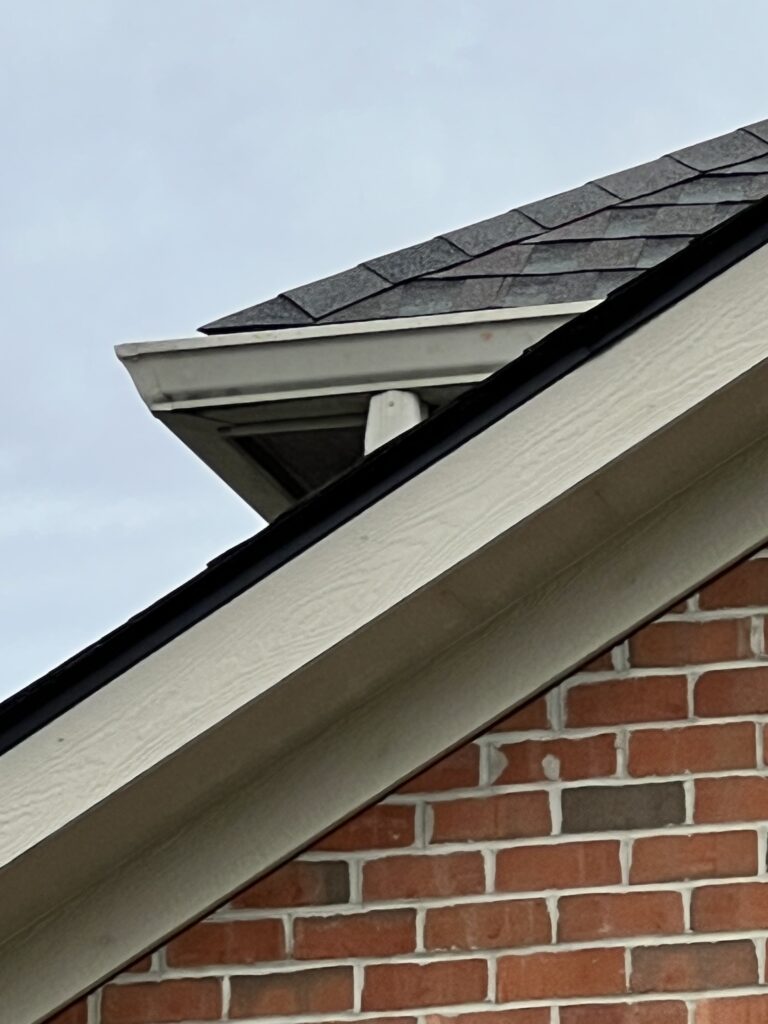
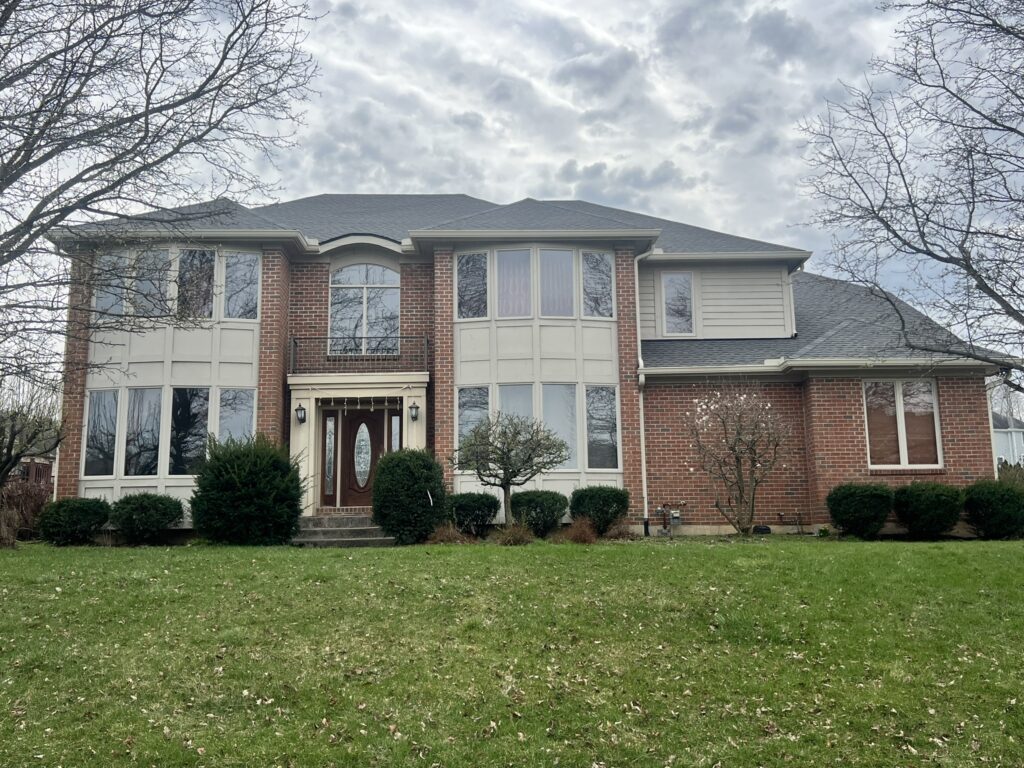
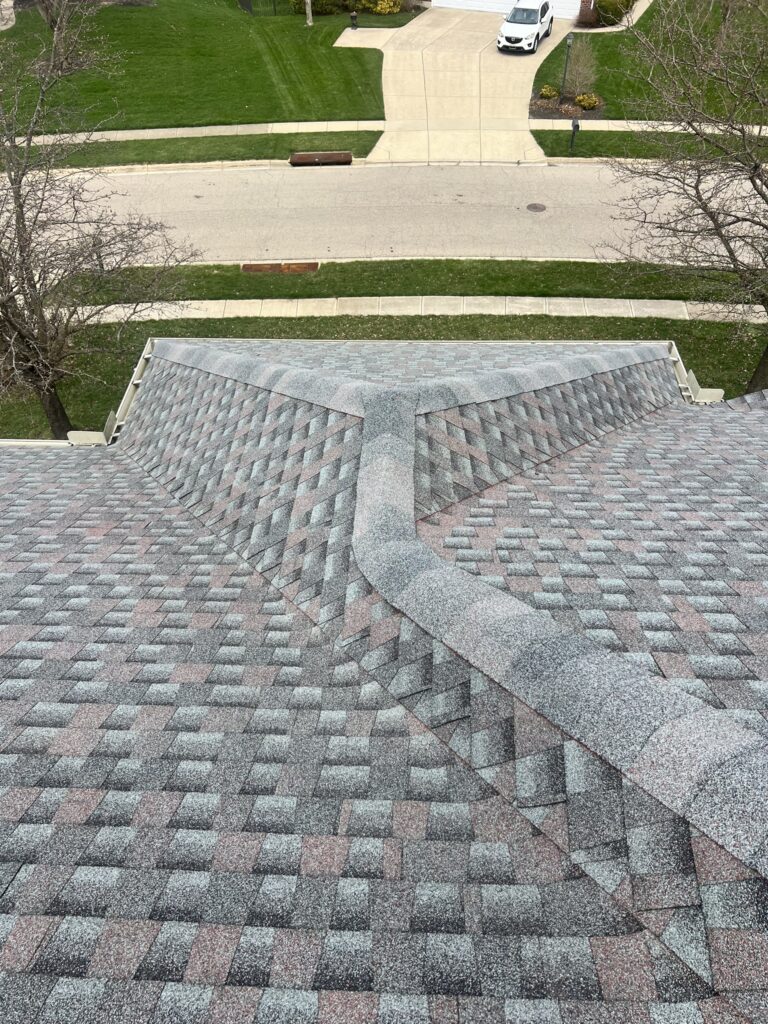
Let’s break it down in simple terms—and help you spot when it’s time for a replacement.
Do You Know How Long a Roof Lasts in Ohio?
The climate in Ohio plays a significant role in roof durability. For instance, homes located in northern Ohio might experience harsher winter conditions, leading to a different maintenance regime than those in the southern part of the state. Be sure to consider local weather patterns when assessing the condition of your roof.
The lifespan of your roof depends on the material, installation quality, and how well it’s maintained. Here’s a general guide for Ohio homes:
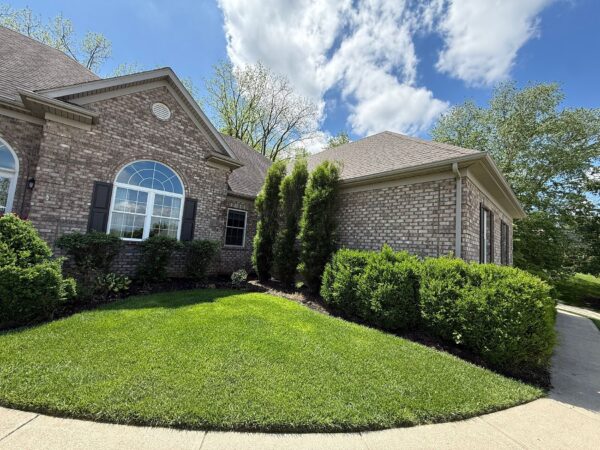
Asphalt Shingle Roof (Most Common)
- 15–25 years for standard 3-tab shingles
- 25–30+ years for architectural shingles
Metal Roofing
- 40–70 years
Wood Shake Roofing
- 20–30 years (less common in Ohio due to moisture concerns)
Flat Roofs (Rubber/EPDM)
- 15–25 years
Because of Ohio’s freeze-thaw cycles, wind, rain, and occasional hail, roofs here often wear out faster than in milder climates. Regular inspections and maintenance can help extend your roof’s life.
Key Factors That Affect Roof Lifespan in Ohio
Not all roofs age the same. These key factors play a big role:
- Weather Exposure: Snow, ice dams, high winds, and summer heat all cause wear
- Ventilation & Insulation: Poor attic airflow can shorten your roof’s lifespan
- Installation Quality: A properly installed roof lasts significantly longer
- Maintenance: Cleaning debris and fixing small issues early makes a big difference
Regular inspections are essential—not just for spotting potential problems but also for understanding the wear and tear specific to your localized conditions. It’s advisable to have your roof examined after major weather events, such as heavy storms or significant snowfall, to catch any issues early.
When considering factors affecting roof lifespan, remember that the angle and pitch of your roof can also impact how well it withstands Ohio’s weather. Steep roofs may shed snow and rain more effectively, reducing the risk of water damage, while flat roofs require more rigorous maintenance to prevent pooling water and subsequent leaks.
Signs You Need a New Roof

Even if your roof hasn’t reached its expected lifespan, there are warning signs that it may be time for a replacement.
1. Missing or Damaged Shingles
If you notice shingles that are cracked, curling, or missing, your roof is no longer fully protecting your home.
2. Granules in Gutters
Finding shingle granules in your gutters is a sign your roof is wearing down and losing its protective layer.
3. Leaks or Water Stains
As you assess whether to repair or replace your roof, and to figure out how long your roof last, consider the overall condition of your home. A roof is an integral part of your property’s value, and a well-maintained roof can enhance curb appeal and contribute to a higher resale value. Also, consult with professionals who can provide a detailed assessment.
Water spots on ceilings or walls often indicate a roof leak. This should be addressed immediately to avoid further damage.
In addition to physical signs of damage, be attentive to changes in your energy bills. An unexpected increase could indicate that your roof is no longer performing as it should, allowing heat to escape more readily or failing to insulate properly.
4. Sagging Roofline
It’s also beneficial to familiarize yourself with the types of materials used in your roofing. For instance, metal roofs are often more durable and resistant to severe weather than asphalt shingles but can require special considerations during installation. Each material has its pros and cons, and understanding these can aid you in making informed decisions about repairs or replacements.
A sagging roof can point to structural issues and should be inspected right away.
5. Moss, Algae, or Dark Streaks
These can trap moisture against your roof and speed up deterioration—especially common in .
6. Roof Age (20+ Years)
If your asphalt shingle roof is over 20 years old, it’s a good idea to schedule an inspection—even if it looks okay from the ground.
If you are attentive to the signs of aging, you can often extend the life of your roof significantly. Regular upkeep, such as clearing debris, ensuring proper insulation, and maintaining ventilation, can all contribute to a longer-lasting roof.
Repair or Replace Your Roof?
Sometimes a repair is enough—but not always.
A repair may work if:
- Damage is minor or limited to one area
- Your roof is relatively new
A full replacement is better if:
- Your roof is nearing the end of its lifespan
- Damage is widespread
- You’ve had multiple repairs over time
Help your roof last with a Professional Roof Inspection
At Avsten Construction and Roofing, we offer comprehensive roof inspections designed to identify issues before they become serious problems. Our team of experts is equipped to evaluate your roof’s condition and recommend the best course of action to ensure it remains in optimal shape.
Schedule Your Roof Inspection Today
Don’t wait until a small issue becomes a major problem. If your roof is showing signs of wear—or it’s simply getting older—now is the time to take action.
Contact Avsten Construction and Roofing today to schedule your inspection and keep your home protected year-round.